Every year I pay close attention to what's shifting in fashion photography — not just globally, but specifically in the Indian market. In 2026, the gap between brands that look premium and brands that look generic has never been more visible. Here's what's driving that gap right now.
- Why 2026 Is a Turning Point for Brand Photography in India
- Trend 01 — Cinematic Over Commercial
- Trend 02 — Raw Authenticity Replaces Perfection
- Trend 03 — Controlled Drama — Less Light, More Mood
- Trend 04 — Vertical-First Visual Storytelling
- Trend 05 — Character Over Conventionally Perfect Models
- Trend 06 — Retro and Film Aesthetic Making a Comeback
- Trend 07 — Motion and Energy in Still Images
- What This Means for Indian Brands Right Now
ContextWhy 2026 Is a Turning Point for Brand Photography in India
The Indian fashion market has entered a genuinely new phase. D2C brands are scaling faster than ever, homegrown labels from Delhi, Noida, Jaipur, and Bangalore are competing on quality rather than just price, and the consumer — especially Gen Z — has developed a sharp eye for visual content that feels real versus content that feels produced for the sake of it.
The result is that what worked visually for a fashion brand in 2022 or 2023 often feels flat and dated today. Clean white backgrounds, perfectly retouched skin, symmetrical compositions, and safe studio lighting — these still have their place in e-commerce catalogues, but they are no longer enough to build brand identity or stop a scroll.
As a fashion photographer based in Delhi, I see this shift directly in the briefs I receive and the conversations I have with emerging brand founders. The visual vocabulary is changing — and the brands that understand these shifts early will build the kind of imagery that compounds into genuine brand equity over time.
This post is useful both for photographers wanting to keep their work current and for brand founders and marketing heads in India trying to understand what kind of photography will actually move the needle for their brand in 2026.
Trend 01Cinematic Over Commercial
The single most dominant visual direction in fashion photography right now — globally and increasingly in India — is the move toward cinematic aesthetics. Rich colour grading, deliberate contrast, letterbox-style compositions, and a mood that feels like it belongs in a film rather than a catalogue.
This shift is being driven by streaming culture. An entire generation of Indian consumers has grown up watching Netflix, Prime, and international cinema with extremely high production value. Their visual standard has been shaped by that content — and they bring that standard to how they judge a brand's photography. If your images look like they were lit for a studio catalogue, they will feel visually flat next to a brand whose images feel cinematic.
For fashion photographers, this means thinking about editorial lighting, colour grading as a storytelling tool, and treating every frame as a scene — not just a product showcase. The garment or jewellery is still the subject, but the mood of the image is the thing that makes someone stop.
For Indian Brands: If your current photography feels transactional, cinematic direction is the fastest single upgrade to your brand's perceived value — without changing your products or pricing.Trend 02Raw Authenticity Replaces Over-Polished Perfection
One of the boldest shifts in 2026 is the growing rejection of hyper-polished, over-retouched imagery. Audiences — particularly Gen Z, who now represent a significant portion of India's fashion spending — are responding to images that feel honest and unfiltered. Skin texture, natural body proportions, candid expressions, imperfect compositions that feel caught rather than constructed.
This is not an accident or a cost-cutting move. It is a deliberate creative direction. Brands that shoot this way are communicating something specific: we trust you to see us as we really are. That trust translates into genuine connection, which translates into loyalty in a way that aspirational perfection rarely achieves.
From a photography standpoint, this trend requires more skill than it appears to. Creating images that feel raw and spontaneous while still being beautifully lit and compositionally strong is a much higher craft than simply reducing retouching. The goal is controlled authenticity — images that appear unposed but were absolutely directed with intention.
For Indian Brands: If you are targeting a 22–32 year old Indian consumer, this direction is not optional — it is expected. Start with your model casting and direction brief before worrying about the lighting setup.Trend 03Controlled Drama — Less Light, More Mood
Flat, even, fill-everything studio lighting is losing ground to controlled, directional, dramatic light. The trend is toward fewer light sources used with more intention — a single strong key light, deep shadows allowed to exist and breathe, and a visual contrast ratio that gives images genuine depth and weight.
I've been moving in this direction consistently across my own work in Delhi — and the response from brands has been immediate. Images lit with intention and drama simply feel more premium than images lit to show everything equally. The shadow is doing as much storytelling as the highlight.
For fashion brands, this approach works across all categories — apparel, jewellery, accessories — but it requires a photographer who understands light-shadow ratios and can build a mood with minimal equipment. A single beauty dish or grid spot, properly placed, creates images that a six-light setup often cannot match for personality.
For Indian Brands: Ask your photographer specifically about their lighting philosophy. A photographer who can describe the mood they intend to create — not just the technical setup — is the one who will give you images with genuine identity.Trend 04Vertical-First Visual Storytelling
Instagram Reels, YouTube Shorts, and the general dominance of mobile-first content consumption has permanently changed how fashion images need to be framed. In 2026, vertical composition is not a crop you apply after shooting horizontally — it is the primary creative decision made before a single frame is taken.
This has practical implications for how shoots are planned and executed in India. A brand whose primary distribution channel is Instagram needs images shot with vertical framing in mind from the outset — the model's position in the frame, the negative space, the relationship between the subject and the background, all of it changes when you commit to 9:16 as your primary format.
The opportunity here for Indian fashion brands is significant. Most brands are still shooting horizontal and cropping vertically as an afterthought — which produces awkward compositions and loses the editorial quality of the original image. Brands that brief their photographers with vertical-first direction are already operating at a higher visual standard than most of their competitors.
For Indian Brands: Brief your photographer with your primary distribution platform in mind. If your brand lives on Instagram, your shoot should be planned for Instagram — not adapted to it after the fact.Trend 05Character Over Conventionally Perfect Models
The era of the interchangeable, conventionally perfect model face is giving way to something more interesting — and more commercially effective. In 2026, the brands building genuine visual identity are casting for character: distinctive features, natural asymmetry, diverse body types, real textures, faces that tell a story before they say a word.
This trend is especially relevant in the Indian context, where the fashion industry has historically had a narrow definition of model aesthetics. Emerging Indian brands that cast diversely — across skin tones, body types, regional features, and age — are not just making a values statement. They are building a stronger visual identity and connecting with a broader customer base simultaneously.
From a photographer's perspective, shooting models with strong character requires more directorial skill than shooting conventionally beautiful faces — because the image's power comes from the interaction between the person's individuality and the concept of the shoot, not just from physical perfection. This is craft-level work that separates genuinely good fashion photographers from technically competent ones.
For Indian Brands: Diverse, character-driven casting is one of the fastest ways to make your brand visually distinct in a crowded market. It costs the same as conventional casting — and it produces images that are far harder for competitors to replicate.Trend 06Retro and Film Aesthetic Making a Comeback
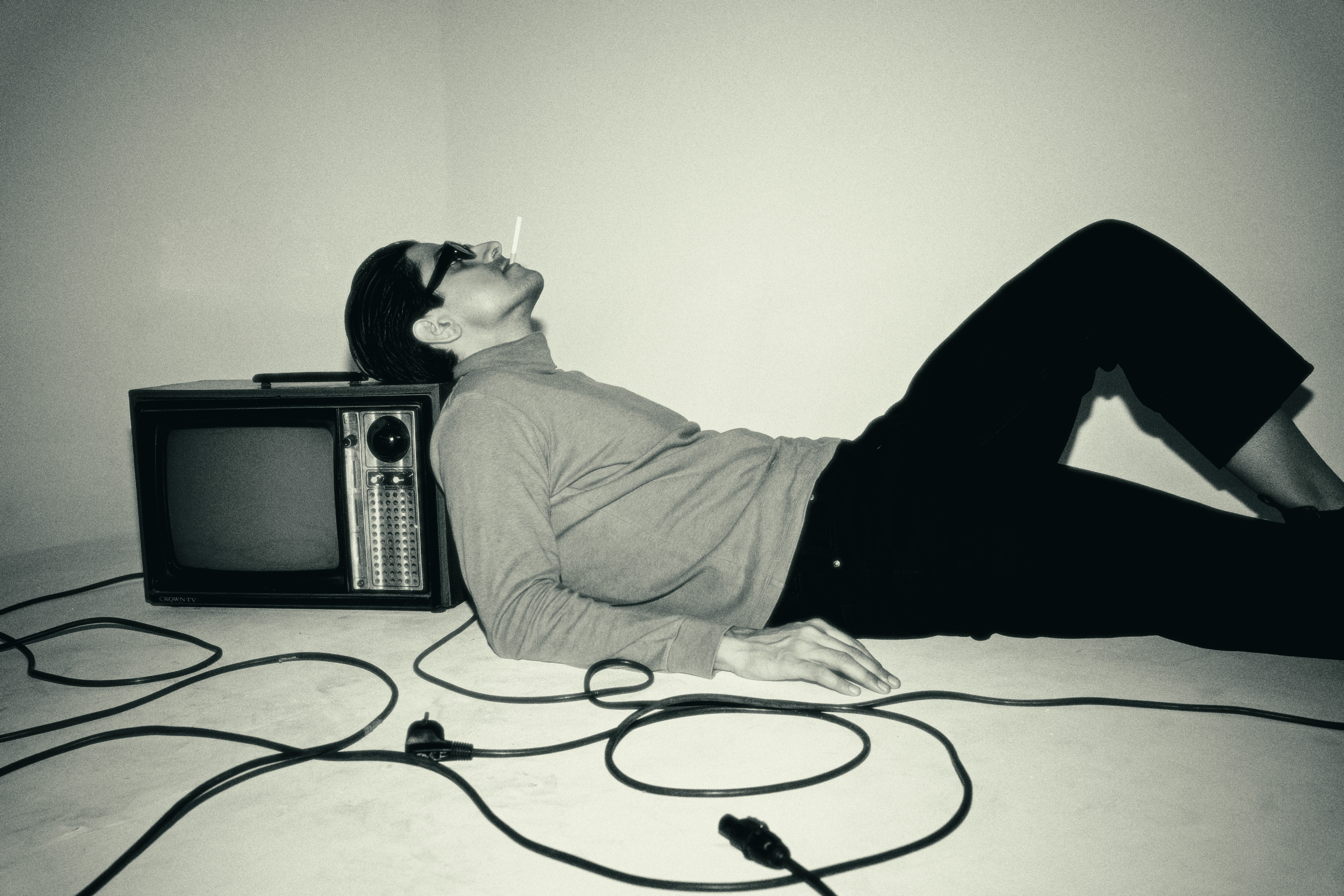
Film photography aesthetics — warm muted tones, visible grain, soft colour desaturation, and the particular quality of light that 35mm film captures — are genuinely back as a dominant visual trend in fashion photography in 2026. Not as a filter applied in post, but as a considered aesthetic direction built into the shoot itself.
For Indian fashion brands, this aesthetic works particularly well in certain categories. Sustainable labels, heritage-inspired collections, artisanal jewellery, slow-fashion brands — the warmth and tactile quality of film-inspired imagery reinforces the values these brands are communicating. It signals craft, timelessness, and intentionality in a way that crisp digital perfection rarely achieves.
Photographers executing this well are not simply adding a Lightroom preset. They are making deliberate choices about colour temperature during the shoot, the quality of light sources, the styling and location, and a specific approach to post-production that builds the aesthetic from the ground up rather than layering it on top.
For Indian Brands: If your brand values include heritage, craft, sustainability, or storytelling — a film-inspired aesthetic direction may be one of the most authentic visual languages available to you.Trend 07Motion and Energy in Still Images
Static, posed fashion photography is giving way to images with genuine energy — movement in fabric, motion blur used intentionally, dynamic body positions, and a sense that something is happening in the frame rather than simply being arranged. This trend is driven partly by the influence of video content on how people perceive still images, and partly by a broader cultural preference for images that feel alive.
For fashion photographers, this requires a different approach to directing models — less "hold this pose" and more "keep moving through this space." It also requires understanding how to work with flash duration and shutter speed to capture motion selectively — freezing some elements while allowing others to blur, creating images with both sharpness and energy simultaneously.
In the Indian market specifically, this approach works beautifully with categories like festive wear, contemporary ethnic fusion, and streetwear — where the energy and movement of the garment is as much a selling point as its appearance at rest.
For Indian Brands: If your garments are designed to be worn actively and confidently — shoot them that way. Static models in static poses undersell clothes that are designed for movement and life.Section 09What All of This Means for Indian Brands Right Now
Taken together, these seven trends point toward a single overarching shift in fashion photography in India in 2026: the era of purely transactional brand photography is ending. Images that simply document a product on a body are no longer sufficient to build brand identity, drive emotional connection, or justify premium pricing.
What replaces it is photography with a genuine point of view — images that communicate something about who the brand is and what it stands for, not just what it sells. This is editorial thinking applied to commercial photography — and it is exactly what the most successful emerging Indian fashion brands are already doing.
"The brands that invest in photography with a genuine visual identity in 2026 will be the ones that are impossible to scroll past in 2027."
The good news for emerging Indian fashion brands — particularly those in Delhi NCR, Mumbai, and Bangalore — is that the photographers who understand these trends and can execute them are accessible. You do not need a Mumbai advertising agency budget to get cinematic, editorially-driven brand photography. You need to find the right photographer, brief them properly, and commit to a visual direction that is true to your brand.
Pull up your brand's last ten Instagram posts and ask honestly: do these images communicate who we are or just what we sell? If the answer is the latter, that is your starting point. The conversation about visual direction starts there — before any shoot is booked.
"The visual standard in Indian fashion is rising faster than most brands realise. The gap between brands that look intentional and brands that look generic has never been wider — or more consequential."
These seven trends are not predictions about a distant future. They are already shaping the briefs, the campaigns, and the visual decisions of the most interesting emerging fashion brands in India right now. The photographers and brands that understand them — and act on them — will define what Indian fashion photography looks like for the next three to five years. The question is whether you want to lead that shift or follow it.
Based in Delhi NCR and ready to bring a current, editorially-driven visual direction to your brand — let's talk.
Start a Project →